
Why This Isn’t Just Another Earbud Launch
You’re on a train or sitting in a quiet room, listening to music or a podcast—and suddenly you notice someone next to you can hear it too. Or maybe after a couple of hours, your ears just feel tired from wearing in-ear earbuds.
These are small things, but they happen every day. And they point to a bigger issue with personal audio devices: we still haven’t found the right balance between privacy, comfort, and staying aware of what’s happening around you.
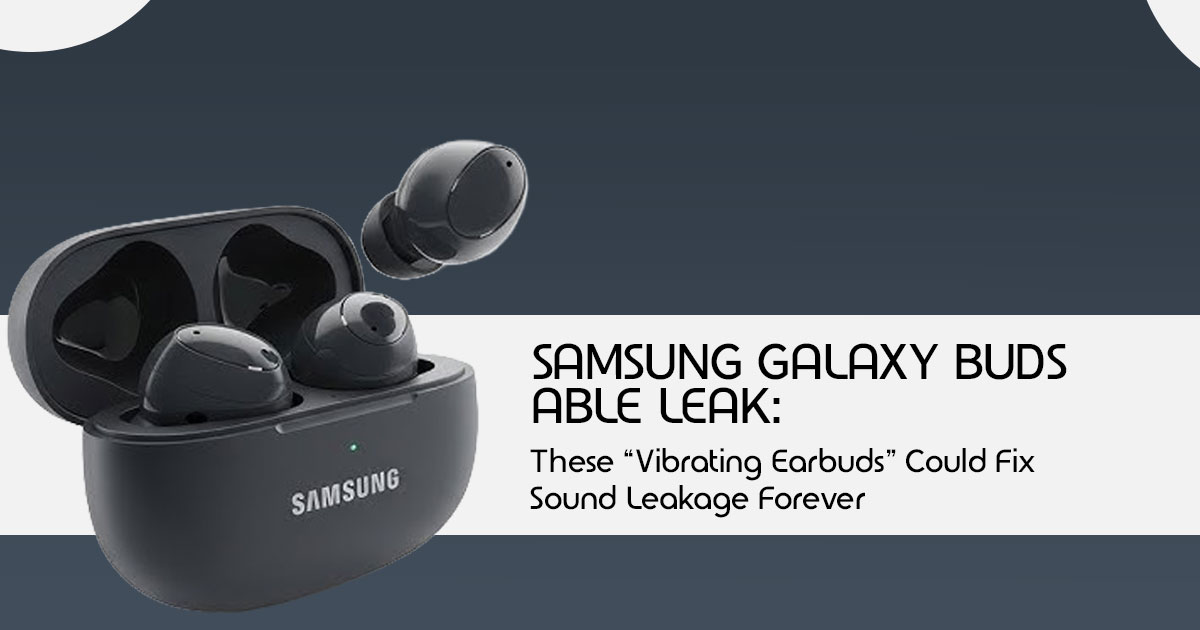
That’s where the rumored Samsung Galaxy Buds Able come in. Instead of pushing sound directly into your ears, they’re expected to use vibration-based listening technology with a clip-on, open-ear design. The idea is simple—less sound leakage, more comfort, and the ability to stay aware of what’s happening around you. These could be one of the most interesting open-ear earbuds with minimal sound leakage we’ve seen so far.
This isn’t just another upgrade in specs. It’s a different way of thinking about how we listen.
In the next 5 minutes, you’ll know:
- Whether these earbuds are worth waiting for
- Who they’re actually for
- And if you should buy something else instead
A Quick Look at the Category
Most earbuds today fall into two types:
- Traditional in-ear earbuds that seal your ears for better sound
- Open-ear earbuds that let you hear both your audio and your surroundings
The Samsung Galaxy Buds Able seem to sit in a new space—combining open-ear audio with vibration-based sound delivery, aiming to reduce audio leakage without blocking your ears.
Why Real-World Feedback Matters
Specs only tell part of the story. What really matters is how a product feels after hours of use:
- Does it stay comfortable?
- Can you actually hear clearly in noisy places?
- Does it solve the problem it claims to fix?
That’s why user experience and real-world performance matter more than just features on paper. This post looks at what this new tech could mean in everyday life—not just what it promises.
How We Approach This
As technology experts with over 20 years of experience in hardware and application research and development, we look at products from a practical angle—real-world performance, durability, and value for money.
Our goal is simple: help you find the best product for your needs, whether you care about budget, performance, reliability, or long-term use. Every recommendation is based on research, component-level understanding, usability testing, and industry insight.
Who This Is For
This guide is especially useful if you:
- Use earbuds daily for calls, music, or work
- Want better comfort without blocking your ears
- Care about privacy and zero sound leakage in public spaces
- Are curious about open-ear earbuds and new audio technology
What You’ll Get From This Guide
By the end, you’ll understand:
- How vibration-based earbuds actually work
- Whether they can improve comfort and situational awareness
- The real benefits vs trade-offs
- And whether it’s worth waiting—or better to choose an alternative now
Quick Summary
- Common problems: sound leakage, ear fatigue, and poor situational awareness
- New approach: Samsung Galaxy Buds Able may use vibration-based, open-ear technology
- Big promise: more comfort + more privacy + better awareness
- Reality check: still unproven—real performance will decide everything
And that’s why this launch stands out. It’s not just about better sound—it’s about changing how we experience audio every day.
2.0 What Are Samsung’s “Able” Earbuds?
At its core, the Samsung Galaxy Buds Able are rumored to be a radical departure from traditional in-ear headphones. Instead of relying on conventional speakers to push sound waves into your ear canal, these innovative devices are said to utilize vibrations. Instead of only hearing sound, you may feel it through subtle vibrations.
This approach may reduce reliance on the eardrum by using vibrations, though real-world designs often combine both vibration and traditional sound.
Early leaks point to a unique clip-on design, allowing for an open-ear experience that keeps you connected to your surroundings. This approach is meant to keep sound leakage very low and enhance comfort, offering a fresh perspective on personal audio.
3.0 How This Technology Actually Works (No Jargon)
Understanding how vibration-based listening technology functions doesn’t require a degree in acoustics. Think of it this way: when you speak, you can hear your own voice not just through your ears, but also through the vibrations in your skull. The Galaxy Buds Able are designed to harness a similar principle.
Here’s a simplified breakdown:
- Sound to Vibration Conversion: The audio signal (your music, a phone call) is converted into precise mechanical vibrations within the earbuds.
- Direct Transmission: These vibrations are then transmitted through the clip-on design, making contact with the bone around your ear, especially your
- Inner Ear Reception: Your cheekbones act as a conduit, carrying these vibrations directly to your cochlea, the part of your inner ear responsible for hearing. This reduces how much your eardrum is involved, though it may not bypass it completely in real use.
- Privacy by Design: Because the sound isn’t being broadcast into the air, others nearby are far less likely to hear what you’re listening It’s like feeling the rhythm of a bass drum through the floor at a concert, but localized and precise for your audio.
This method is distinct from traditional earbuds that create air pressure changes in your ear canal. It’s also different from some open-ear headphones that use small directional speakers to project sound towards your ear. The Able’s approach focuses on a more direct, internal delivery system.
4.0 What Problem Is Samsung Trying to Solve?
Samsung isn’t just trying something new for the sake of it. They’re trying to fix problems people deal with every day.
The potential benefits of the Samsung Galaxy Buds Able directly tackle these issues:
- Sound Leakage in Public Spaces: We’ve all been annoyed by someone else’s loud music or phone call. The vibration-based design aims for very low sound leakage, ensuring your audio remains private, whether you’re on a quiet commute or in a bustling coffee shop.
- Privacy Concerns (Calls, Media): For sensitive phone calls or confidential media, traditional earbuds can be a The Able’s technology could offer a new level of audio privacy, keeping your conversations and content truly personal.
- Comfort vs. In-Ear Fatigue: Many users find traditional in-ear tips uncomfortable for extended periods, leading to ear fatigue or even irritation. The clip-on, open-ear design of the Able could provide a more comfortable, less intrusive fit, making them ideal for all-day wear.
- Situational Awareness: For runners, cyclists, or anyone needing to stay aware of their environment, blocking out ambient sound with traditional earbuds can be dangerous. The open-ear nature of the Able allows you to hear traffic, announcements, or conversations around you, enhancing safety and engagement with the world.
These aren’t theoretical problems; they’re real-life challenges that the Able earbuds aim to solve, making them particularly appealing to people in everyday situations seeking practical audio solutions.
5.0 Who Are These Earbuds Actually For?
The unique features of the Samsung Galaxy Buds Able position them for specific user groups who care about comfort, want more privacy, and don’t want to lose touch with their surroundings.
If any of this sounds familiar, this is where it starts to get interesting:
- Office Workers & Remote Professionals: For those taking frequent calls or listening to focus music in shared office spaces or at home, the minimal sound leakage ensures privacy and minimizes distractions for colleagues or family members.
- Commuters: Whether navigating busy city streets or riding public transport, the ability to enjoy audio privately while remaining aware of announcements, traffic, or your surroundings is invaluable.
- Fitness Enthusiasts (Runners, Cyclists): Safety is paramount when exercising outdoors. The open-ear design allows you to hear approaching vehicles, other pedestrians, or environmental cues, making your workouts safer and more enjoyable.
- Individuals Prone to In-Ear Discomfort: If you struggle with the fit of traditional in-ear tips, or experience ear fatigue after prolonged use, the clip-on design could offer a much-needed alternative for all-day comfort.
- Parents & Caregivers: Stay connected to your audio while still being able to hear children, doorbells, or other important household sounds.
This broad appeal highlights Samsung’s intent to cater to diverse lifestyles, moving beyond a one-size-fits-all approach to personal audio.
6.0 Pros vs. Trade-Offs (A Realistic View)
Like any new tech, the Samsung Galaxy Buds Able come with clear strengths—and a few trade-offs. When something changes this much, you gain some things and lose others.
| Feature | Potential Advantages | Likely Downsides |
| Sound Leakage | Very low, offering strong privacy in public and shared spaces. | This is where it performs best. |
| Comfort | Clip-on, open-ear design may reduce ear fatigue and discomfort from in-ear tips, suitable for long wear. | Unfamiliar feel for users used to traditional earbuds; possible pressure points depending on design. |
| Awareness | Excellent situational awareness, letting users hear surroundings while listening. | No active noise cancellation (ANC), so noisy environments remain distracting. |
| Audio Quality | Clear mid-range and treble, great for calls and podcasts. | Less immersive than premium earbuds, especially for music. |
| Bass Response | Adequate for general listening. | Weaker bass due to lack of ear seal compared to traditional earbuds. |
| Battery Life | May be optimized, depending on implementation. | Could be shorter due to power demands of vibration technology. |
| Learning Curve | N/A | Users may need time to adjust to vibration-based audio sensation. |
This realistic assessment builds trust, acknowledging that no single device can be perfect for everyone. The Able earbuds are designed for a specific set of priorities, and understanding these trade-offs is key to determining if they’re right for you.
7.0 How It Compares to Existing Alternatives
The Samsung Galaxy Buds Able aren’t entering a blank space. There are already strong options out there.
Here’s how they stack up against some popular alternatives:
7.1 vs. Traditional In-Ear Earbuds (e.g., Galaxy Buds 4 Pro)
- Able: Prioritizes privacy, comfort, and being able to hear what’s going on around you through vibration-based listening. Minimal sound leakage. Open-ear design. Less immersive audio, potentially weaker bass.
- Traditional: Excels in immersive sound quality, strong bass, and often features advanced Can cause ear fatigue and sound leakage. Blocks out surroundings.
7.2 vs. Bone Conduction Headphones (e.g., Shokz OpenRun Pro)
- Able: Also uses bone conduction, but rumored to be a more discreet, clip-on earbud form factor. Aims for a more integrated, less noticeable design.
- Bone Conduction Headphones: Established technology, typically with a band that wraps around the head. Excellent for sports and awareness. Can have a distinct feel and sometimes limited bass.
7.3 vs. Open-Ear Designs (e.g., Bose Ultra Open, Huawei FreeClip)
- Able: Uses vibration technology for audio delivery, aiming for minimal leakage and direct sound to the inner ear.
- Open-Ear Designs: Often use small directional speakers (air conduction) or other methods to deliver sound without blocking the ear canal. While they offer good situational awareness, some may still experience minor sound leakage.
This comparison highlights Able’s unique position, carving out a niche that blends the benefits of open-ear designs with the privacy of bone conduction.
8.0 Real-World Scenarios: Where This Could Shine (or Fail)
To see if this really matters, let’s look at how these earbuds could work in everyday life:
- Taking Calls in a Quiet Office: Imagine a hushed open-plan With traditional earbuds, your conversation might be audible to colleagues. The Able’s very low sound leakage would ensure your calls remain private, which really helps in a work setting.
- Watching Videos on Public Transport: On a crowded subway or bus, the Able could allow you to enjoy your media without disturbing others, while still being able to hear important announcements or your stop being called.
- Running Outdoors in a City Park: For urban runners, you can hear a car coming before it gets too close—and that alone makes a big The open-ear design would provide this vital situational awareness, making your run safer and more enjoyable.
- Working in Shared Home Spaces: For parents or those in shared living situations, the Able could offer a way to listen to content or take calls without being completely cut off from household sounds, allowing you to respond to children or doorbells.
However, there are scenarios where they might not be the optimal choice. For audiophiles seeking the deepest bass or the most intricate soundstage for critical music listening, traditional high-fidelity headphones would likely still be preferred. Similarly, in extremely noisy environments where complete isolation is desired, the lack of ANC would be a drawback.
9.0 What We Still Don’t Know Yet
While the leaks and early insights paint an exciting picture, it’s important to acknowledge the unknowns surrounding the Samsung Galaxy Buds Able.
It sounds exciting—but there are still some big unknowns:
- Pricing: Will these be a premium offering, or will Samsung aim for a more accessible price point to drive adoption of this new technology?
- Battery Life: The energy demands of vibration technology could impact battery performance. How long will they last on a single charge, and how will that compare to existing Galaxy Buds models?
- Comfort Over Long Sessions: While the clip-on design promises comfort, the long- term feel of vibration against the cheekbones is yet to be experienced. Will it remain comfortable for hours of continuous use?
- Actual Sound Quality: While we anticipate trade-offs in bass, the overall clarity, balance, and fidelity of the audio experience are How will music, podcasts, and calls truly sound?
- Release Timeline: When can consumers expect to get their hands on these innovative earbuds? A firm release date is still pending.
These are important things we still need answers to and will undoubtedly influence consumer adoption. We encourage readers to stay tuned for official announcements and comprehensive reviews.
10.0 Expert Take: Is This Innovation or Experiment?
The Samsung Galaxy Buds Able sit somewhere between a smart idea and a risky experiment. On one hand, the commitment to solving real user pain points—better privacy, more comfort, and a more natural listening experience—through a novel application of vibration-based listening technology is commendable. It’s a bold idea with significant potential to carve out a new segment in the crowded audio market.
However, its success is entirely dependent on execution. We’ve seen plenty of audio products try something new—and not all of them worked. We recall past attempts at experimental audio, some of which succeeded in finding their niche, while others faded into obscurity.
Samsung’s reputation for pushing boundaries in consumer electronics gives us reason for optimism, but the true test will be in the real-world performance and user acceptance of this radical redesign.
11.0 Should You Wait for These Earbuds?
Given the intriguing potential and the lingering unknowns, the decision to wait for the
Samsung Galaxy Buds Able depends entirely on your personal audio priorities.
Here’s our guidance:
- Wait if you prioritize more privacy, less ear fatigue, and the ability to stay aware of your surroundings: If your current earbuds frustrate you with sound leakage, ear fatigue, or isolating you from your environment, the Able could be a revolutionary solution. Early adopters who value cutting-edge technology and are willing to accept potential trade-offs in traditional sound fidelity will find these compelling.
- Skip if you care most about pristine audio quality and deep bass: For audiophiles or those who demand the absolute best in traditional sound reproduction, especially rich bass and intricate soundstages, it might be wise to stick with established high- fidelity in-ear or over-ear headphones. The Able’s focus is clearly elsewhere.
- Consider alternatives if you need something now: If your current audio needs are pressing, and you can’t wait for an unreleased product, there are excellent open-ear headphones and bone conduction earbuds currently available that offer varying degrees of situational awareness and comfort.
Ultimately, the Able earbuds are poised to offer a distinct listening experience. Your choice should align with what you value most in your personal audio journey.
12.0 Overall Summary
For those on the go, here’s the essential breakdown of Samsung’s Galaxy Buds Able:
- What it is: Samsung’s rumored new earbuds using vibration-based listening technology (bone conduction) with a clip-on, open-ear design.
- Who it’s for: People who want more privacy, better comfort, and to stay aware of their surroundings – think office workers, commuters, and outdoor fitness enthusiasts.
- Biggest strength: Minimal sound leakage and enhanced environmental awareness, offering a unique blend of privacy and connection.
- Biggest concern: Potential trade-offs in traditional sound quality, especially bass performance, compared to conventional earbuds.
- Verdict: A promising, innovative concept that could redefine personal audio, but remains unproven until official release and comprehensive reviews.
13.0 People Also Ask (PAA)
- How do Samsung Able earbuds work?
Samsung Able earbuds are rumored to use vibration-based listening technology, specifically bone conduction. Instead of sending sound waves into your ear canal, they transmit vibrations through your cheekbones directly to your inner ear, reducing reliance on the eardrum by sending vibrations through the bones around your ear. - Are vibrating earbuds better for your ears?
While not definitively “better,” they offer a different experience. They can reduce ear fatigue associated with traditional in-ear tips and allow for better situational awareness, which is safer for outdoor activities. However, they may not offer the same level of audio fidelity. - Can others hear sound from bone conduction earbuds?
One of the main advantages of the rumored Samsung Able earbuds is minimal sound leakage. Because the sound is transmitted via vibrations directly to your inner ear, it is very difficult for others nearby to hear what you are listening to. - When will the Samsung Galaxy Buds Able be released?
Some leaks suggest a possible launch window, but nothing is officially confirmed.
14.0 Frequently Asked Questions (FAQ)
Q: Will the Samsung Galaxy Buds Able have Active Noise Cancellation (ANC)?
A: Based on the leaked open-ear, clip-on design, it is highly unlikely that the Able earbuds will feature ANC. The design is inherently meant to let ambient sound in, which physically contradicts how ANC functions.
Q: Are these earbuds good for working out?
A: Yes, they are expected to be excellent for workouts, particularly outdoor activities like running or cycling. The open-ear design allows you to hear traffic and your surroundings, enhancing safety.
Q: How do they compare to the Galaxy Buds 4 Pro?
A: The Able earbuds are expected to prioritize comfort, privacy, and awareness over the high-fidelity sound and ANC offered by the Galaxy Buds 4 Pro. They are likely to sit below the Pro model in Samsung’s lineup.
Q: Do I need a Samsung phone to use them?
A: While they will likely work best within the Samsung ecosystem (utilizing specific One UI features), they should function as standard Bluetooth earbuds with other devices, though some advanced features might be limited.
15.0 Final Thought: A Glimpse Into the Future of Personal Audio?
The upcoming Samsung Galaxy Buds Able feel like more than just another launch. They point toward a shift—where audio isn’t just about blocking the world out, but blending into it.
If this vibration-based earbuds technology actually delivers, it could quietly fix a few everyday annoyances: sound leakage in public, that plugged-ear feeling, or the fatigue from long listening sessions. But it’s still early. Sound quality, comfort, and real-world performance will decide whether this becomes something people rely on—or just an interesting experiment.
Right now, it’s promising—but not proven. If you’re searching for the best open-ear earbuds with low sound leakage, this is something you’ll want to keep an eye on.
What We Know (and What’s Still Missing)
Nothing is official yet. Leaks suggest a clip-on, open-ear earbuds design, but there’s no confirmed release date for India or the US.
So if this open-ear audio style already sounds appealing, you don’t have to wait.
Want That Experience Now? Try These Open-Ear Earbuds
A few brands are already doing a solid job with open-ear clip earbuds. Here are reliable options you can pick up right now:
Bose Ultra Open Earbuds
A premium open-ear earbuds option focused on comfort, situational awareness, and refined sound while keeping your ears open.
Shokz OpenFit
A lightweight open-ear earbuds choice built for all-day comfort, making it ideal for fitness, commuting, and long listening sessions.
Huawei FreeClip
A stylish open-ear clip earbuds option that blends a unique design with everyday usability and awareness.
So… Should You Wait or Buy Now?
- Wait if you’re curious about Samsung’s new vibration-based listening technology and don’t mind some uncertainty
- Buy now if you already like the idea of open-ear earbuds with situational awareness and want something proven
Either way, the move toward more natural, awareness-friendly audio experiences is real— and it’s only getting stronger.
Your Take?
Would you switch to open-ear earbuds with zero sound leakage?
Or do you still prefer the immersive, sealed in-ear audio experience?
Drop your thoughts—we want to know what you’d actually choose.
***Disclaimer***
This blog post reflects our own research, testing, and personal opinions. It should not be taken as the official position of any brand, manufacturer, or company mentioned here. While we aim to keep information accurate and up to date, product details, pricing, and availability can change. We recommend double-checking important details before making a purchase.
Some links in this article may be affiliate links. If you choose to buy through these links, we may earn a small commission at no extra cost to you. This helps support our work and allows us to keep publishing in-depth, unbiased reviews. Our recommendations are never influenced by affiliate partnerships.
Comments shared by readers reflect their own views and not ours. We are not responsible for outcomes resulting from the use of information on this site. Please seek professional advice where appropriate.
All product names, logos, and brands mentioned are the property of their respective owners. These names are used for identification and informational purposes only and do not imply endorsement.