
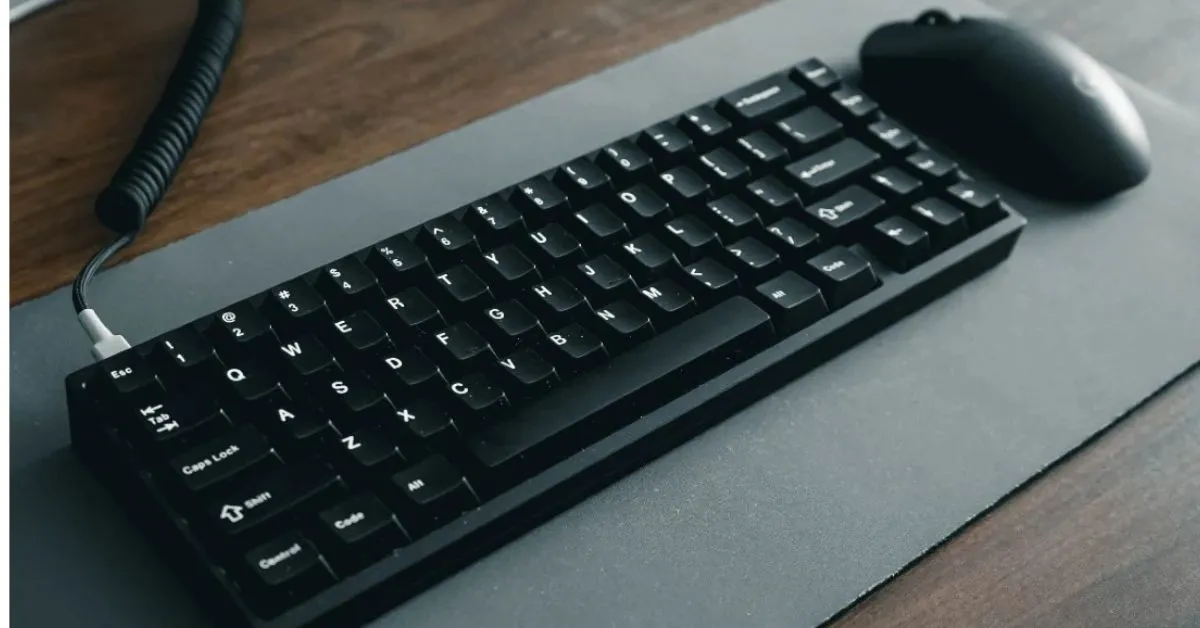
In an era where wireless gadgets dominate the workspace, the Wired Keyboard continues to hold a strong position among professionals, students, and everyday users. Reliability, affordability, and consistent performance make a preferred choice, especially for budget-conscious buyers. Whether someone works long hours typing documents, coding, gaming, or studying, a good wrist rest can significantly improve productivity and comfort.
This guide explores why budget keyboards remain relevant, what features matter most, and how users can find great deals without compromising on quality. By understanding design choices, typing experience, and long-term usability, readers can make informed decisions that suit both their needs and budget.
Why Wired Keyboards Still Make Sense in 2026
Despite advancements in wireless technology, ergonomic designs continue to outperform in several practical scenarios. Many users prioritize stability over convenience, and wired connections eliminate concerns such as battery life, signal drops, or pairing issues.
Another reason mechanical switches remain popular is cost efficiency. Budget buyers often prefer investing in a device that offers durability and consistent performance rather than extra features they may never use. From home offices to educational setups, wired deliver dependable results at a lower price point.
For those searching for the best keyboard for typing, wired options often provide better tactile feedback and faster response times, making them ideal for long typing sessions.
What Defines a Budget Wired Keyboard?
A budget wired keyboard does not mean low quality. Instead, it refers to a keyboard that balances affordability with essential features. Such keyboards focus on core usability rather than premium extras.
Typically, budget models prioritize:
- Strong build quality
- Comfortable key layout
- Reliable wired connection
- Decent typing feedback
- Long-term durability
These keyboards are designed for users who want efficiency without unnecessary complexity.
Importance of Typing Comfort and Layout
Typing comfort is one of the most critical factors when choosing a wired keyboard. Key spacing, key travel, and layout all influence how comfortable typing feels over long periods.
Many users underestimate how much a well-designed keyboard can reduce fatigue. Proper spacing minimizes finger strain, while a thoughtful layout improves typing speed and accuracy. This is especially important for professionals who type for several hours daily.
Keyboards marketed as the best keyboard for typing often focus on smooth keystrokes and consistent feedback rather than flashy aesthetics.
Ergonomic Designs and Long-Term Health Benefits
Modern ergonomic designs are no longer exclusive to premium keyboards. Even budget keyboards now incorporate features that support healthier typing posture.
Ergonomic keyboards aim to reduce wrist strain and improve hand positioning. Some designs include a slight tilt or split layout to maintain a natural hand angle.
In many cases, a built-in or detachable wrist rest further enhances comfort. This feature supports the wrists during long typing sessions, reducing pressure and improving posture over time.
Mechanical vs Non-Mechanical Wired Keyboards
One of the biggest decisions buyers face is choosing between mechanical and non-mechanical keyboards. Each option serves a different type of user.
Mechanical Keyboard Experience
A mechanical keyboard uses individual switches under each key, offering better tactile feedback and durability. Many typists and gamers prefer mechanical switches because they provide a more responsive feel.
Benefits of mechanical switches include:
- Longer lifespan
- Consistent keystroke response
- Improved typing accuracy
- Customizable typing feel
However, mechanical keyboards may produce more noise, which is something to consider in shared workspaces.
Non-Mechanical (Membrane) Keyboards
Non-mechanical keyboards use a membrane layer beneath the keys. These keyboards are generally quieter and more affordable, making them suitable for casual users and office environments.
They may not last as long as mechanical options, but for many users, they provide sufficient comfort and performance.
Mechanical vs Non-Mechanical Wired Keyboards
| Feature | Mechanical Keyboard | Non-Mechanical Keyboard |
| Typing Feedback | Strong and tactile | Soft and quiet |
| Durability | Very high | Moderate |
| Noise Level | Medium to loud | Low |
| Price Range | Slightly higher | More affordable |
| Best For | Typists, programmers | Office, students |
| Wired Keyboard Usage | Excellent | Reliable |
Build Quality and Material Considerations
Even budget keyboards should feel solid. Build quality determines how long the keyboard lasts and how well it handles daily use.
Keyboards with reinforced frames and spill-resistant designs tend to last longer. While premium materials may not be available at lower prices, good plastic construction with proper key reinforcement is more than sufficient for everyday use.
Users should also pay attention to cable quality. A strong, flexible cable reduces wear and tear over time and ensures a stable connection.
Key Features to Look for in Budget Wired Keyboards
While shopping for deals, it is important to focus on practical features rather than marketing claims. A good should support comfort, durability, and usability.
Important features include:
- Comfortable key travel
- Stable wired connection
- Clear key labeling
- Adjustable tilt angles
- Optional wrist support
Choosing a keyboard with these features ensures long-term satisfaction even at a lower price point.
Must-Have Features in Budget Wired Keyboards
| Feature | Why It Matters |
| Wired Keyboard Connection | Stable and lag-free input |
| Ergonomic Designs | Reduces wrist strain |
| Wrist Rest | Improves typing comfort |
| Mechanical Switches | Better durability and feedback |
| Key Layout | Improves typing speed |
| Best Keyboard for Typing | Enhances productivity |
Typing Performance in Real-World Use
Typing performance depends on how well the keyboard responds to input. A responsive wired ensures that every keystroke registers accurately.
Users who write, code, or edit documents often prefer keyboards with consistent resistance and smooth key travel. This reduces typing errors and improves workflow efficiency.
A good keyboard should feel natural from the first use, without requiring a long adjustment period.
Wired Keyboards for Office and Study Use
- Budget wired keyboards provide reliable performance without connection issues.
- Students prefer them because they are affordable and durable for daily study use.
- Office professionals value consistent typing response throughout long work hours.
- Quieter key mechanisms help maintain focus in shared workspaces.
- Ergonomic features improve comfort and reduce fatigue during extended typing.
Durability and Long-Term Value
Durability plays a major role in determining value for money. A keyboard that lasts several years offers better value than a cheaper option that fails quickly.
keyboards generally outperform wireless models in terms of longevity because they do not rely on batteries or wireless components that degrade over time.
Investing in a durable keyboard reduces replacement costs and contributes to a better overall experience.
How to Find the Best Deals on Wired Keyboards
Finding great deals requires a balance between research and timing. Seasonal sales, bundle offers, and clearance discounts often provide opportunities to purchase quality keyboards at lower prices.
Buyers should compare features rather than focusing solely on price. A slightly higher upfront cost may result in better comfort and durability.
Reading user reviews and checking specifications helps identify keyboards that deliver true value.
Maintenance Tips for Keyboards
Proper maintenance extends the life of a keyboard. Regular cleaning prevents dust buildup and keeps keys responsive.
Simple practices include:
- Cleaning keys with compressed air
- Wiping surfaces with a soft cloth
- Avoiding food and liquids near the keyboard
- Storing properly when not in use
These habits ensure consistent performance over time.
Conclusion
The Wired Keyboard remains one of the most practical and affordable tools for typing, gaming, studying, and professional work. Budget keyboards offer reliability, comfort, and performance without unnecessary complexity or high costs.
By focusing on typing comfort, ergonomic designs, durability, and essential features, users can find excellent keyboards that meet their needs. Whether someone prefers mechanical switches for tactile feedback or a quiet membrane keyboard for office use, there are plenty of options available at budget-friendly prices.
With careful selection and proper maintenance, a wired can provide years of dependable service, making it a smart investment for anyone seeking value and performance.
Frequently Asked Questions (FAQs)
1. What makes a wired keyboard better for typing?
A wired keyboard offers stable input, consistent response, and often better feedback, making it ideal as the best keyboard for typing during long sessions.
2. Are mechanical switches worth it in budget keyboards?
Yes, mechanical switches provide durability and tactile feedback, even in affordable models, making them suitable for typing and gaming.
3. Do ergonomic designs really help?
Yes, ergonomic designs reduce wrist strain and improve posture, especially when paired with a wrist rest.
4. Is a mechanical keyboard too noisy for office use?
Some mechanical keyboard models are quieter than others. Choosing softer switches helps maintain a comfortable office environment.
5. How long does a wired keyboard usually last?
A quality wired keyboard can last several years with proper care, often longer than wireless alternatives.
***Disclaimer***
This blog post contains unique insights and personal opinions. As such, it should not be interpreted as the official stance of any companies, manufacturers, or other entities we mention or with whom we are affiliated. While we strive for accuracy, information is subject to change. Always verify details independently before making decisions based on our content.
Comments reflect the opinions of their respective authors and not those of our team. We are not liable for any consequences resulting from the use of the information provided. Please seek professional advice where necessary.
Note: All product names, logos, and brands mentioned are the property of their respective owners. Any company, product, or service names used in our articles are for identification and educational purposes only. The use of these names, logos, and brands does not imply endorsement or affiliation.