
1. Introduction
A great photo can capture a moment. A great camera can capture a story. The challenge today is that almost every flagship smartphone claims to have the “best camera system,” the “most advanced imaging technology,” or “professional-grade photography features.” Yet when it comes to real-world use, many of these claims do not tell the full story.
The truth is that the best camera phone is not always the one with the biggest sensor, the highest megapixel count, or the longest list of specifications. What matters is how the device performs when the light is poor, when the subject is moving, when you need reliable video, or when you are hundreds of miles from home and have only one chance to capture the perfect shot.
This guide is designed for smartphone photographers, content creators, videographers, travel enthusiasts, social media creators, mobile filmmakers, and power users who want more than marketing promises. Whether you are looking for the best device for mobile photography, 4K video recording, portrait photography, night photography, or professional content creation, this guide will help you understand what truly matters before spending your money.
As technology experts with over 20 years of experience in hardware and application research and development, we evaluate every product through the lens of real-world performance, durability, reliability, and long-term value for money. Our objective is simple: help readers identify the best products across different categories, including budget-focused options, high-performance devices, reliable long-term investments, and the most capable flagship camera phones available today.
Unlike reviews that focus heavily on specifications, our analysis looks at how each device performs in everyday situations that matter to real users. We examine camera quality, video performance, battery life, thermal management, software support, build quality, and the overall ownership experience. Our recommendations are based on extensive research, component-level analysis, practical usability testing, market trends, and years of industry expertise.
More importantly, this guide explores a question that many reviews ignore: can a modern smartphone camera genuinely replace a dedicated camera for most people? The answer is more complex than a simple yes or no, and understanding that answer can save you money while helping you choose a device that fits the way you actually shoot.
If you care about capturing better photos, creating professional-looking videos, preserving important memories, or investing in a device that will continue to perform well for years, the insights ahead will help you make a smarter and more confident decision.
1.1 Why this comparison matters
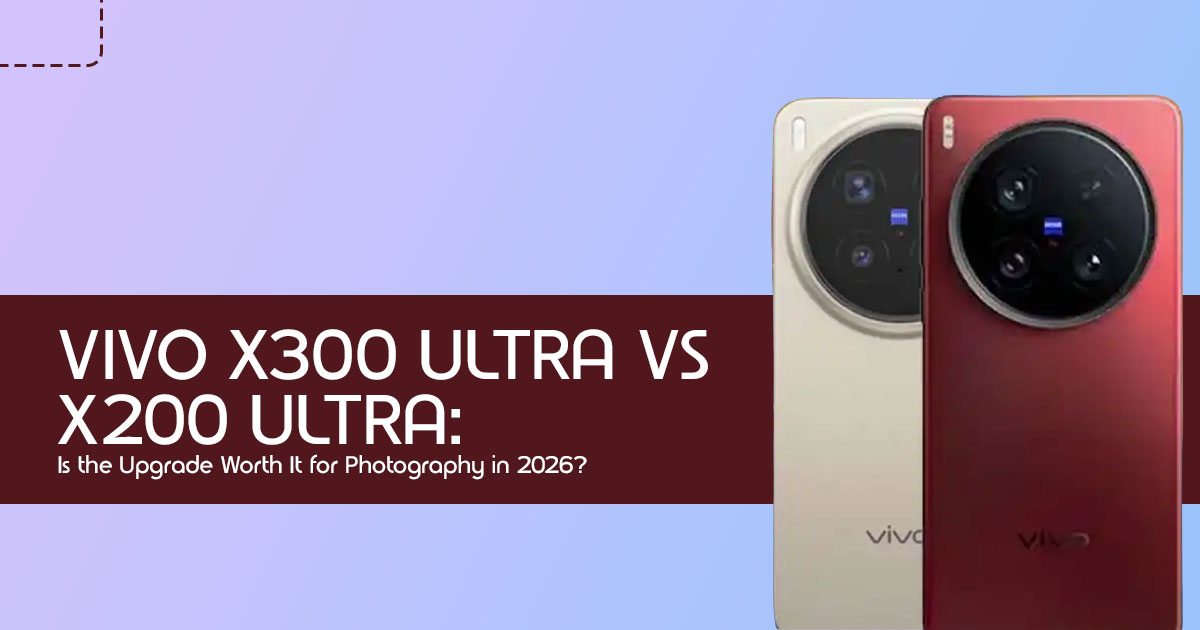
The annual refresh cycle of flagship smartphones often brings incremental updates, making it tough to discern a true leap forward. This is especially true for devices like the Vivo X300 Ultra and its predecessor, the Vivo X200 Ultra. Both have carved out reputations as titans in the camera phone arena. But is the latest model a genuine upgrade that justifies the investment, or are the differences subtle enough that your current device still holds its own? We take a closer look at these questions, cutting through the marketing jargon to give you the real story.
1.2 Who this guide is for
This comprehensive guide is meticulously crafted for:
- Professional photographers and enthusiasts looking to understand the nuances of these advanced camera phones.
- Video creators who need reliable, high-quality mobile recording capabilities.
- Power users who demand top-tier performance in every aspect, especially imaging.
- Current X200 Ultra owners contemplating an upgrade.
- Anyone searching for the Best Camera Phone 2026, Best Phone for Photography, or a detailed Camera Phone Comparison.
2. Quick Answer
2.1 Is the Vivo X300 Ultra Better Than the X200 Ultra?
Yes, the Vivo X300 Ultra represents a significant upgrade over the X200 Ultra, particularly in its camera capabilities and video performance. While the X200 Ultra remains a formidable device, the X300 Ultra refines key areas, offering enhanced sensors, improved processing, and a more robust ecosystem for serious creators.
- For photographers: Definitely yes. The X300 Ultra introduces a new 200MP main sensor and an upgraded telephoto system, delivering superior detail, dynamic range, and low-light The advancements in image processing also result in more natural color rendition and reduced digital artifacts.
- For video creators: Absolutely yes. This is where the X300 Ultra truly With 4K120 Dolby Vision video recording across all rear cameras, 10-bit Log video, and advanced Pro modes with LUT support, it offers a professional-grade video toolkit that significantly surpasses its predecessor.
- For casual users: Maybe not. If your primary use is social media photos and basic point-and-shoot, the X200 Ultra still delivers excellent results, and the upgrade might not be immediately noticeable enough to justify the cost. The X300 Ultra‘s advanced features are best appreciated by those who actively utilize them.
- For X200 Ultra owners: Depends on your shooting style. If you frequently push your phone’s camera to its limits, especially for telephoto shots, low-light scenarios, or professional video work, the X300 Ultra offers compelling reasons to upgrade. If your current X200 Ultra meets your needs, you might consider waiting for the next generation or a more substantial leap in technology.
3. What Actually Changed?
When a new flagship arrives, the burning question is always: what’s genuinely new, and what’s just marketing fluff? With the Vivo X300 Ultra, the changes are both subtle and significant, depending on where you look. While the overall design language remains familiar, the real story unfolds under the hood, particularly in its imaging capabilities.
3.1 Hardware Upgrades Explained
The X300 Ultra isn’t just a minor refresh; it brings targeted enhancements to its core camera hardware, aiming to push the boundaries of mobile photography and videography even further. We’ve seen the specifications, but let’s break down what these technical improvements mean for real-world usage.
3.1.1 Main Camera
- Sensor evolution: The Vivo X300 Ultra features a new flagship-grade main camera sensor designed to improve detail, dynamic range, and low-light This is a substantial leap from the X200 Ultra‘s 50MP, 1/1.28-inch sensor. While the aperture is slightly narrower at f/1.9 (compared to f/1.7 on the X200 Ultra), the significantly larger 1/1.12-inch sensor size allows it to capture considerably more light. In practical terms, this translates to improved dynamic range, finer detail retention, and superior performance in challenging lighting conditions, making it a powerhouse for low-light photography.
- Stabilization improvements: Both devices boast impressive gimbal OIS, but the X300 Ultra refines this further. While specific CIPA ratings aren’t always directly comparable, reviewers note enhanced stability, particularly noticeable in video recording and when shooting handheld in low This means sharper images and smoother footage, even when you’re on the move.
- Low-light changes: The combination of the larger sensor and refined image processing pipeline in the X300 Ultra delivers a noticeable upgrade in low-light performance. Images exhibit less noise, better color accuracy, and more preserved detail compared to its predecessor, making it a top contender for night city walks and dimly lit indoor scenes.
3.1.2 Telephoto System
- New sensor benefits: The X300 Ultra upgrades its periscope telephoto camera with a new high-resolution sensor designed to improve detail, color accuracy, and overall zoom Combined with Vivo’s image processing improvements, the result is sharper images and more consistent quality across different zoom levels, especially in challenging lighting conditions.
- Real zoom improvements: Beyond the sensor, Vivo‘s software optimization for its telephoto system continues to impress. The X300 Ultra delivers remarkably usable 10x zoom shots without the need for external attachments, often outperforming competitors. This makes it an exceptional tool for capturing distant subjects with clarity and precision.
3.1.3 Video Hardware
- Imaging chip upgrades: While the X300 Ultra features a newer flagship Snapdragon processor, the real improvements come from Vivo’s imaging pipeline and camera optimization. This year, Vivo has focused heavily on enhancing video recording capabilities for professional creators.
- Processing improvements: The X300 Ultra introduces a new image processing pipeline that aims for a more natural rendition of colors and tones, reducing the often-criticized digital oversharpening seen in some previous Vivo This applies to both stills and video, resulting in footage that feels more organic and less artificially enhanced. This new processing can be toggled, offering flexibility for users who prefer a more traditional smartphone look.
4. Real-World Camera Performance: Does the X300 Ultra Deliver Where It Matters?
Specifications can look impressive on paper, but buyers ultimately care about one thing: will their photos and videos look noticeably better in everyday situations?
The Vivo X300 Ultra brings several camera improvements over the Vivo X200 Ultra, but the real value becomes clear when you use it outside controlled test environments. From travel photography and portrait photography to night photography and long-range zoom photography, this phone is designed for people who rely on their smartphone as their primary camera.
4.1 Travel Photography: A Camera You Can Leave Your DSLR at Home For?
Travel photography demands versatility. One moment you’re capturing a wide landscape, and the next you’re zooming in on architectural details hundreds of feet away.
The Vivo X300 Ultra performs exceptionally well in these situations. The main camera captures detailed landscapes with natural colors, while the upgraded telephoto camera allows you to photograph distant landmarks without sacrificing image quality.
Low-light travel photography is where the X300 Ultra gains a clear advantage over the X200 Ultra. Night markets, city streets, monuments, and indoor attractions appear brighter and more detailed, with less visible noise.
For travelers who want excellent photo quality without carrying additional camera gear, the X300 Ultra is one of the most complete camera phones currently available.
4.2 Portrait Photography: Can It Capture Professional-Looking People Photos?
Portrait photography remains one of the most important camera tests because people are often the subjects we photograph most.
The X300 Ultra delivers natural skin tones, excellent subject separation, and beautiful background blur. Outdoor portraits benefit from Vivo’s refined color science, while indoor portraits show improved exposure control in difficult lighting conditions.
The telephoto lens is particularly useful for portraits because it creates a more flattering perspective than the main camera.
Whether you’re photographing family members, creating social media content, or shooting professional-looking portraits, the X300 Ultra consistently produces impressive results.
4.3 Night Photography: The Upgrade Most Buyers Will Notice
Night photography is often where smartphone cameras struggle, but it is also where users notice improvements immediately.
Compared to the X200 Ultra, the X300 Ultra captures cleaner images, better detail, and improved low-light performance after sunset.
The improvements become particularly noticeable when photographing:
- Night city skylines
- Restaurants and cafes
- Indoor events
- Concerts
- Evening street scenes
For users who frequently take photos after dark, this is one of the strongest reasons to consider upgrading.
4.4 Zoom Performance: How Far Can You Actually Push It?
Zoom photography has become one of the biggest battlegrounds among flagship smartphones, and the X300 Ultra performs exceptionally well.
At 3x zoom, 5x zoom, and even 10x zoom, image quality remains sharp and detailed.
For wildlife photography, travel photography, sports photography, and anyone who regularly photographs distant subjects, the X300 Ultra offers one of the most capable telephoto camera systems currently available on a smartphone.
4.5 Video Recording for Content Creators
Video quality has become just as important as photography, especially for creators publishing content on YouTube, Instagram, TikTok, and other social platforms.
The X300 Ultra produces smooth video footage, excellent stabilization, and improved low-light video quality.
Whether you’re recording travel videos, vlogs, product reviews, or family memories, the X300 Ultra delivers a highly capable mobile video experience.
5. Video Creator Review
For video creators, a smartphone needs to be more than just a casual recording device; it needs to be a portable studio. The Vivo X300 Ultra has made significant strides in this area, aiming to be a serious tool for content creation. We examine whether it can truly meet the demands of modern videographers.
5.1 Can This Replace an iPhone for Video?
For years, the iPhone has been the undisputed king of smartphone video, known for its consistency, ease of use, and robust ecosystem. The X300 Ultra directly challenges this dominance, particularly with its comprehensive video feature set. While a direct replacement might depend on individual workflow and ecosystem preferences, the X300 Ultra certainly offers a compelling alternative, especially for Android users.
- Stabilization: The X300 Ultra‘s advanced gimbal OIS and electronic stabilization work in tandem to produce incredibly smooth footage, rivaling and in some cases surpassing the stability offered by other flagships. This is crucial for handheld shooting, allowing video creators to capture professional-looking shots without always needing a gimbal.
- Dolby Vision: The ability to record 4K120 Dolby Vision video across all rear cameras is a major upgrade and a significant advantage for the X300 Ultra. This high dynamic range format captures a wider range of colors and contrast, resulting in more cinematic and immersive footage. It provides a richer canvas for post-production and ensures your videos look stunning on HDR-compatible displays.
- LOG Recording: The inclusion of 10-bit Log video recording is a professional-grade feature that sets the X300 Ultra Log footage retains maximum dynamic range and color information, giving video creators immense flexibility in color grading during editing. This is essential for achieving a specific look or matching footage with other cameras in a multi-camera setup.
- LUT Support: The X300 Ultra‘s Pro mode allows for real-time LUT (Look-Up Table) import, enabling video creators to preview their desired color grade directly on the phone’s screen while This streamlines the workflow and helps ensure that the captured footage aligns with the final creative vision, a feature rarely seen in smartphones.
- External Monitoring: While not explicitly detailed in all reviews, the X300 Ultra‘s USB-C 2 with DisplayPort functionality suggests potential for external monitoring, allowing video creators to connect to larger displays for more accurate framing and exposure assessment. This is a crucial feature for serious videography.
- USB-C Workflows: The USB-C 2 port also facilitates faster data transfer, which is vital for offloading large video files. This, combined with the phone’s robust internal storage options, makes for a more efficient and professional video creation workflow.
6. Accessories Worth Buying
One of the biggest advantages of the Vivo X300 Ultra is the availability of accessories that expand its photography capabilities.
6.1 Photography Grip
The Photography Grip is the most useful accessory for most buyers.
Best For
- Travel photographers
- Street photographers
- Content creators
- Mobile filmmakers Key Benefits
- Better handling
- Improved stability
- More comfortable shooting experience
- Dedicated shutter controls Skip If
- You mainly take casual photos
- You rarely use the camera for long periods
6.2 200mm Telephoto Lens
The optional 200mm Telephoto Lens extends the phone’s zoom capabilities and allows you to capture distant subjects with greater detail.
Best For
- Travel photography
- Wildlife photography
- Sports photography
- Architectural photography Worth Buying?
Yes. For serious photography enthusiasts, this is one of the most practical camera upgrades available.
6.3 400mm Telephoto Lens
The 400mm Telephoto Lens is designed for users who need extreme zoom capabilities.
Best For
- Bird photography
- Wildlife photography
- Long-distance photography Worth Buying?
Only if you regularly need extreme telephoto zoom. Most users will get better value from the 200mm Telephoto Lens.
6.4 Best Accessory Bundle for Most Buyers
Recommended Setup
✔ Vivo X300 Ultra
✔ Photography Grip
✔ Protective Case
✔ Screen Protector
Optional Upgrade
✔ 200mm Telephoto Lens
This setup delivers the best balance between performance, usability, and value for money.
6.5 Should Most Buyers Purchase the Accessories?
Most buyers will be perfectly satisfied with the standard Vivo X300 Ultra. The photography grip is the most useful accessory for everyday shooting, while the telephoto attachments are primarily aimed at photography enthusiasts who frequently photograph wildlife, sports, or distant subjects.
7. Vivo X300 Ultra vs Competitors
The smartphone market is fiercely competitive, especially at the flagship level. The Vivo X300 Ultra enters an arena filled with powerful contenders, each vying for the title of best camera phone. We pit it against its closest rivals to see how it stacks up, focusing on key camera features and overall value.
7.1 X300 Ultra vs Xiaomi 17 Ultra
The Xiaomi 17 Ultra is often lauded for its large 1-inch main sensor, which theoretically offers superior light gathering. While the X300 Ultra‘s main sensor is slightly smaller, its 200MP resolution and advanced computational photography often allow it to compete closely in terms of detail and dynamic range.
The X300 Ultra pulls ahead with its more versatile telephoto system and dedicated teleconverter ecosystem, offering greater reach and flexibility for photographers who need it.
7.2 X300 Ultra vs OPPO Find X9 Ultra
Similar to Xiaomi, the OPPO Find X9 Ultra also features a 1-inch main sensor and strong computational photography. The X300 Ultra differentiates itself with its unique 35mm main lens philosophy, which appeals to a different kind of photographer.
Its video capabilities, particularly the 4K120 Dolby Vision and 10-bit Log recording, give it a significant edge for video creators over the OPPO, which typically focuses more on still photography.
7.3 X300 Ultra vs iPhone 18 Pro Max
The iPhone 18 Pro Max remains a benchmark for video recording and overall user experience. While the iPhone offers a more streamlined and user-friendly video workflow, the X300 Ultra surpasses it in raw technical capabilities for video creators, especially with its 10-bit Log and LUT support.
For still photography, the X300 Ultra‘s superior telephoto reach and larger main sensor often yield more detailed and versatile results, particularly in zoom and low-light scenarios. The choice here often comes down to ecosystem preference and specific creative needs.
7.4 X300 Ultra vs Galaxy S26 Ultra
The Galaxy S26 Ultra is known for its extreme zoom capabilities, often featuring a 10x optical periscope lens. While the S26 Ultra offers impressive reach natively, the X300 Ultra‘s 200MP telephoto combined with its teleconverter ecosystem can achieve comparable, if not superior, results in terms of optical quality and versatility.
The X300 Ultra also generally offers a more natural color science and superior video features, making it a strong contender against Samsung’s flagship, especially for photographers and video creators who prioritize image fidelity and creative control.
8. Battery Life and Heating
A great camera phone is only useful if it can last through a full day of shooting. Fortunately, the Vivo X300 Ultra performs well in both battery life and thermal management.
8.1 Battery Life
The X300 Ultra’s large battery easily handles a full day of photography, video recording, social media use, and general productivity. Even users who frequently use the camera system should comfortably reach the end of the day without searching for a charger.
8.2 Charging Speed
Fast charging is another major advantage. The device supports 100W wired charging, allowing users to quickly recharge and get back to shooting. A short charging session can provide enough power for several more hours of use.
8.3 Thermal Performance
Camera-intensive tasks and high-resolution video recording can generate heat, but the X300 Ultra manages temperatures well. During extended photography sessions and 4K video recording, the device remains comfortable to hold and maintains consistent performance with minimal throttling.
Bottom Line
The Vivo X300 Ultra delivers excellent battery life, fast charging, and reliable thermal performance, making it a dependable choice for photographers, travelers, and content creators.
9. Upgrade Decision Matrix
Deciding whether to upgrade from the Vivo X200 Ultra to the X300 Ultra can be a complex choice. Both are exceptional devices, but the X300 Ultra targets a specific user who will truly benefit from its enhancements. This matrix helps you weigh the factors based on your usage and priorities.
9.1 Upgrade from X200 Ultra?
| Factor | Upgrade to X300 Ultra | Stay with X200 Ultra |
| Primary Use | Professional photography, advanced video creation, wildlife photography, and telephoto-focused shooting. | Casual photography, social media content, travel snapshots, and general smartphone use. |
| Key Feature Priority | Best-in-class video recording (4K120 Dolby Vision, 10-bit Log), extreme telephoto reach with accessories, and improved low-light photography. | Excellent all-around camera performance, flagship speed, and strong value retention. |
| Budget | Comfortable investing in a premium flagship and optional photography accessories. | Budget-conscious or looking to maximize value from an existing flagship. |
| Current Device Performance | Your X200 Ultra feels limiting for professional photography, advanced zoom work, or video production. | Your X200 Ultra still meets all your photography and performance needs. |
| Telephoto Photography | Frequently shoot wildlife, sports, concerts, or distant subjects and want maximum zoom quality. | Only occasionally use zoom and are satisfied with current telephoto performance. |
| Video Creation | Create YouTube videos, short films, professional content, or client work. | Mostly record casual clips for social media and personal memories. |
| Upgrade Verdict | ✅ Recommended for enthusiasts, creators, and mobile photographers. | ✅ Keep the X200 Ultra if you’re happy with its already excellent camera system. |
9.1.1 Yes If:
- You are a professional photographer or a serious enthusiast who demands the absolute best camera phone capabilities, especially in low light and with telephoto
- You are a dedicated video creator who will utilize features like 4K120 Dolby Vision, 10-bit Log recording, and LUT support for your workflow.
- You are a heavy zoom user and plan to invest in the teleconverter ecosystem to achieve extreme focal lengths for wildlife photography or distant subjects.
- You prioritize the latest advancements in image processing and sensor technology for the most natural and detailed results.
9.1.2 No If:
- You are a casual shooter who primarily takes photos for social media and doesn’t delve into advanced settings or post-processing.
- Your main usage involves mostly social media photos and you are satisfied with the already excellent camera performance of the X200 Ultra.
- You are a budget-conscious buyer and the cost of the X300 Ultra and its accessories is a significant factor. The X200 Ultra still offers incredible value.
- You don’t see a compelling need for the specific video enhancements or the extreme telephoto capabilities offered by the X300 Ultra.
10. Common Mistakes Buyers Make
10.1 Don’t Buy for Megapixels Alone
A higher megapixel count does not automatically mean better photos. Factors such as sensor size, image processing, and lens quality often have a greater impact on image quality than megapixels alone. Focus on overall camera performance rather than specifications on paper.
10.2 Don’t Overestimate Zoom Needs
Many buyers are attracted to extreme zoom capabilities but rarely use them in everyday photography. Before paying extra for advanced zoom features or accessories, consider how often you actually photograph distant subjects. For most users, the standard telephoto camera is more than enough.
11. Vivo X300 Ultra Pros and Cons
Pros
✔ Outstanding camera quality across all lenses
✔ Excellent telephoto and zoom performance
✔ Professional-grade video features
✔ Strong battery life and fast charging
✔ Premium design and build quality
Cons
✘ Premium price tag
✘ Optional accessories increase overall cost
✘ Limited availability in some markets
✘ Most casual users won’t need all its advanced features
12. Best Alternatives If You Skip the Upgrade
Not everyone needs the latest flagship. Depending on your priorities, these alternatives may be a better fit.
Choose the Vivo X200 Ultra If
- You want excellent camera performance at a lower price.
- You already own the X200 Ultra and are satisfied with its capabilities.
- You want the best overall value.
Choose the iPhone 18 Pro Max If
- Video recording is your top priority.
- You use other Apple devices.
- You prefer the Apple ecosystem.
Choose the Galaxy S26 Ultra If
- You want Samsung’s software features and ecosystem.
- You prefer Samsung’s display and productivity tools.
- You need a versatile flagship beyond photography alone.
Alternative Verdict
For pure camera enthusiasts, the Vivo X300 Ultra remains the strongest choice. However, the Vivo X200 Ultra, iPhone 18 Pro Max, and Galaxy S26 Ultra are all excellent alternatives depending on your budget and ecosystem preferences.
13. Frequently Asked Questions (FAQs)
Q1: Is the Vivo X300 Ultra worth the upgrade from the X200 Ultra?
A: For professional photographers and video creators who will utilize the enhanced sensors, 4K120 Dolby Vision video, 10-bit Log recording, and the teleconverter ecosystem, the X300 Ultra is a worthwhile upgrade. Casual users might find the X200 Ultra still meets their needs.
Q2: What is the main advantage of the X300 Ultra’s 35mm main camera?
A: The 35mm focal length closely mimics the human eye’s natural perspective, making photos feel more natural and immersive. It’s particularly beneficial for street photography and environmental portraits, offering a classic photographic experience.
Q3: Can the X300 Ultra replace a dedicated camera for video?
A: For many video creators, especially those focused on mobile content, the X300 Ultra can significantly reduce the need for dedicated video equipment. Its 4K120 Dolby Vision, 10-bit Log recording, and LUT support offer professional-grade flexibility, though dedicated cameras still hold advantages in extreme scenarios.
Q4: Are the teleconverter lenses necessary for good photos?
A: No, the X300 Ultra takes excellent photos without the teleconverter lenses. However, for extreme telephoto reach (e.g., bird photography, distant wildlife) and maximum versatility, the optional 200mm and 400mm teleconverter lenses provide capabilities unmatched by other smartphones.
Q5: Where can I buy the Vivo X300 Ultra in the US?
A: While Vivo phones are not always officially released in the US market, the X300 Ultra is slated for a global debut. You can often find international versions available through online retailers like Amazon. We recommend checking the official Vivo website or reputable tech retailers for availability and pricing.
Q6: Is the Vivo X300 Ultra the Best Camera Phone in 2026?
A: The Vivo X300 Ultra is among the strongest camera phones available in 2026, offering excellent image quality, powerful zoom capabilities, advanced video tools, and strong low-light performance. The best choice ultimately depends on your budget, ecosystem preferences, and photography needs.
14. Who Should Buy the Vivo X300 Ultra?
Buy the Vivo X300 Ultra If:
✔ You want one of the best camera phones available.
✔ You regularly shoot travel photos, portraits, night photography, or videos.
✔ You need a powerful telephoto camera for zoom photography.
✔ You create content for YouTube, Instagram, or TikTok.
Skip the Vivo X300 Ultra If:
+ You mainly take casual photos for social media.
+ Your Vivo X200 Ultra already meets your needs.
+ You want the best value rather than the latest flagship features.
Bottom Line
The Vivo X300 Ultra is built for photographers, content creators, and power users who want top-tier camera performance, video quality, and zoom capabilities. Casual users may find the Vivo X200 Ultra a more cost-effective choice.
15. Final Verdict
After evaluating the Vivo X300 Ultra against its predecessor and key competitors, it’s clear that Vivo continues to push the boundaries of mobile photography and videography. The X300 Ultra isn’t just an incremental update; it’s a refined and powerful tool designed for those who demand the absolute best from their camera phone.
15.1 Is the X300 Ultra Still the Strongest Camera Phone?
In 2026, the landscape of camera phones is more competitive than ever. While other brands have made significant strides, the Vivo X300 Ultra firmly holds its position as a frontrunner, and in many aspects, it is indeed among the strongest camera phones currently available. Its unique blend of cutting-edge hardware, sophisticated computational photography, and a versatile accessory ecosystem creates one of the most compelling packages currently available for serious photographers and video creators.
15.1.1 Best for Photography
The X300 Ultra is one of the best smartphones for photography currently available. The new 200MP main sensor, coupled with Vivo‘s natural color science and the exceptional telephoto system, delivers images that are consistently stunning across a wide range of conditions. The 35mm focal length philosophy also offers a unique and appealing perspective for many photographic styles.
15.1.2 Best for Video
This is where the X300 Ultra truly sets itself apart. With 4K120 Dolby Vision, 10-bit Log recording, and LUT support, it offers a professional-grade video toolkit that ranks among the best currently available on a smartphone. For video creators who need maximum flexibility in post-production and cinematic quality footage, the X300 Ultra is among the strongest options currently available for professional mobile video creation.
15.1.3 Best Overall Flagship
Beyond its camera prowess, the X300 Ultra delivers a premium flagship experience with its powerful latest flagship Snapdragon processor, vibrant 144Hz AMOLED display, and outstanding battery life. While its primary focus is imaging, it doesn’t compromise on core smartphone functionalities, making it a well-rounded and compelling choice for the best overall flagship for power users.
16. Conclusion
The Vivo X300 Ultra is designed for users who prioritize photography, video creation, and premium flagship performance. For photographers, video creators, and power users in the US market who demand the absolute best, the X300 Ultra represents a significant upgrade and a truly exceptional device. Its advancements in sensor technology, video features, and the unique teleconverter ecosystem make it a standout choice for anyone looking to elevate their mobile creative work.
Ready to Elevate Your Mobile Photography?
If you’re ready to experience the pinnacle of smartphone photography and videography, the Vivo X300 Ultra is waiting. Check the latest price, available configurations, and current offers for the Vivo X300 Ultra on Amazon before making your purchase decision.
Share your experiences, ask your questions, or seek online assistance in the comments below – we love hearing from our community!
***Disclaimer***
This blog post reflects our research, analysis, and opinions based on available product information, user feedback, and industry knowledge. It should not be taken as the official position of any brand, manufacturer, or company mentioned here. While we aim to keep information accurate and up to date, product details, pricing, and availability can change. We recommend double-checking important details before making a purchase.
Some links in this article may be affiliate links. If you choose to buy through these links, we may earn a small commission at no extra cost to you. This helps support our work and allows us to keep publishing in-depth, unbiased reviews. Our recommendations are never influenced by affiliate partnerships.
Comments shared by readers reflect their own views and not ours. We are not responsible for outcomes resulting from the use of information on this site. Please seek professional advice where appropriate.
All product names, logos, and brands mentioned are the property of their respective owners. These names are used for identification and informational purposes only and do not imply endorsement.