
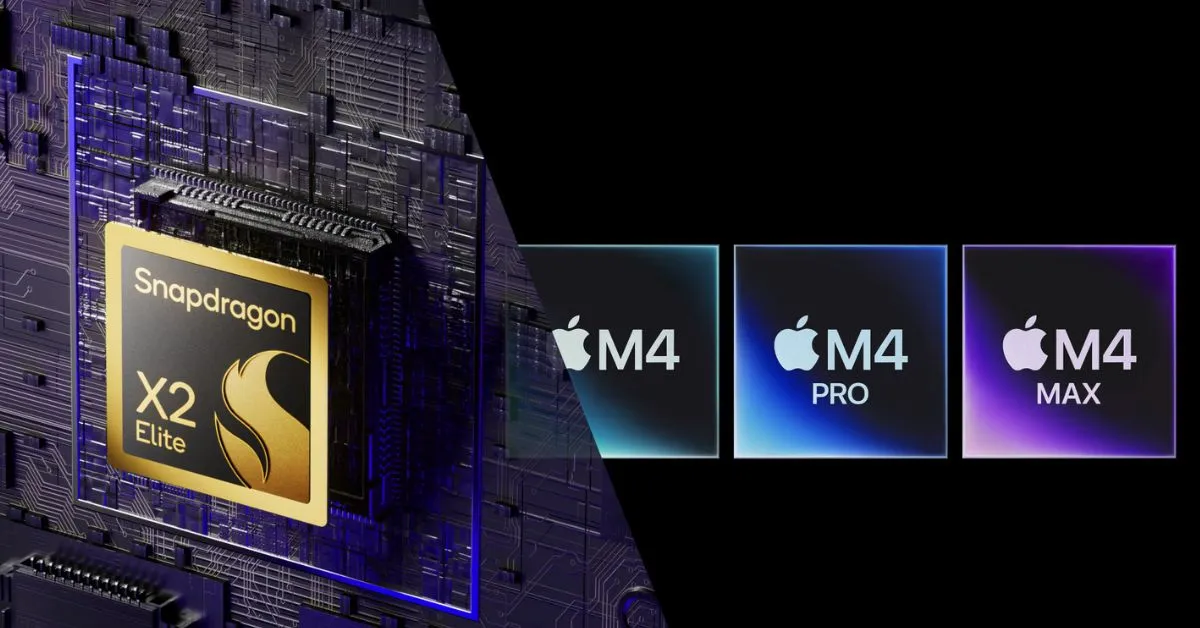
As computing technology advances, processors are becoming the defining factor behind laptop performance. The arrival of Snapdragon X2 marks a significant step forward for Windows-based devices, positioning it directly against Apple M5 in the evolving ARM laptop space. Whether you are shopping for a high-performance premium laptop or analyzing the latest of hardware innovation, understanding this comparison can guide a smarter purchase decision
How These Two ARM Chips Are Changing Laptop Performance
The introduction of Snapdragon highlights how rapidly laptop processors are evolving. Qualcomm is focusing on efficiency-driven computing while maintaining competitive speed, signaling a serious challenge to Apple’s dominance.
On the other hand, Apple M5 continues Apple’s strategy of combining hardware and software optimization. This integration allows devices to deliver stable performance even during demanding workloads, which is essential for any modern flagship laptop.
What modern users expect from laptop processors:
- Consistent speed without overheating
- Intelligent power management
- Smooth multitasking
- AI-enhanced computing
- Reliable graphics performance
Both chips represent a broader transformation in personal computing where portability and power coexist.
Design Architecture and Engineering Approach
The Snapdragon X2 Elite is engineered with efficiency at its core. Qualcomm has drawn from its mobile heritage to create a processor that prioritizes responsiveness, connectivity, and extended battery life.
Apple takes a different route. With full control over macOS and silicon development, Apple M5 benefits from deep optimization. This approach often results in smoother app behavior and better long-term stability.
Architecture Overview
| Feature | Snapdragon X2 Elite | Apple M5 |
| Core Philosophy | Efficiency with performance balance | Integrated hardware-software design |
| AI Capability | Advanced neural processing | Optimized machine learning |
| Operating Environment | Windows ecosystem | macOS ecosystem |
| Connectivity | Strong wireless support | Seamless device integration |
When selecting a premium laptop, these architectural differences can influence everyday user experience more than raw specifications.
Real-World Performance Comparison
Benchmark numbers tell only part of the story. Real-world usage provides a clearer picture of how these processors perform.
Devices powered by Snapdragon X2 are expected to excel in productivity scenarios such as web-based workflows, document handling, and video conferencing. The chip is designed to maintain steady output without draining battery quickly.
Meanwhile, Apple M5 is likely to demonstrate strength in sustained tasks like video rendering, software development, and creative production.
For example, video editing tasks such as 4K rendering may perform faster on Apple silicon due to software optimization, while Snapdragon devices may deliver longer battery life during extended web-based workflows.
Typical Usage Outcomes
- Office productivity remains smooth on both platforms
- Creative applications may favor Apple silicon
- AI-assisted features are becoming faster
- Multitasking performance continues to improve
For many buyers, these differences become noticeable only during intensive workloads rather than daily computing.
Battery Life and Thermal Efficiency
Battery performance often determines whether a laptop truly supports mobile workstyles.
Qualcomm’s engineering suggests that laptops using this processor could deliver impressive endurance, appealing to professionals who spend long hours away from charging points.
Apple has already set high standards in power efficiency, and Apple M5 is expected to extend that reputation further.
Key factors affecting battery results include:
- Screen brightness
- Background applications
- Cooling mechanisms
- Software optimization
In many cases, buyers now prioritize longevity over marginal speed gains when choosing a flagship laptop.
Software Compatibility and Ecosystem Experience
Hardware innovation must be matched by strong software support.
The Windows ecosystem surrounding the Snapdragon X2 Elite has matured significantly. Developers are increasingly optimizing applications for ARM-based systems, reducing earlier compatibility concerns.
Apple’s ecosystem remains one of its strongest advantages. Features such as synchronized messaging, file sharing, and cross-device workflows create a seamless experience that many users value.
Platform Comparison
| Category | Qualcomm Platform | Apple Platform |
| App Support | Rapidly improving | Highly consistent |
| Device Integration | Growing ecosystem | Deeply connected |
| Updates | Manufacturer-dependent | Direct and regular |
| User Experience | Becoming refined | Well established |
Familiarity with an ecosystem often plays a decisive role when investing in a high-end laptop.
Portability and Hardware Innovation
Laptop buyers increasingly expect power without added weight. Manufacturers are responding with thinner designs and quieter systems.
Models powered by Snapdragon X2 are likely to emphasize mobility. Fanless builds and instant wake features make them attractive for hybrid work environments.
Apple continues to refine its minimalist hardware approach, ensuring devices remain both durable and visually polished.
Modern portability priorities:
- Lightweight construction
- Silent operation
- Reliable wireless performance
- Fast startup
These elements define the evolving expectations within the ARM laptop segment.
Ideal Users for Snapdragon-Based Devices
Professionals with dynamic schedules often prioritize flexibility over peak benchmark scores.
This processor is well suited for:
- Frequent travelers
- Remote workers
- Students managing multiple tasks
- Cloud-first professionals
Its efficiency-focused design supports productivity without constant charging interruptions.
Who Benefits Most from Apple Silicon?
Users deeply invested in the Apple ecosystem may find greater long-term value here.
It is particularly beneficial for:
- Creative professionals
- Developers
- Designers handling large files
- Advanced multitaskers
Within the broader Qualcomm vs Apple competition, Apple maintains an advantage in ecosystem cohesion, though the gap is narrowing.
Industry Impact and Future Trends
The launch of Snapdragon X2 reflects a larger industry movement toward diversified chip development. Increased competition typically accelerates innovation while giving consumers better choices.
Trends shaping upcoming laptops include:
- Greater AI integration
- Enhanced graphics capabilities
- Longer battery cycles
- Smarter resource allocation
As the Qualcomm vs Apple rivalry intensifies, the entire flagship laptop category is expected to benefit from faster technological progress.
Final Thoughts
Choosing between these processors ultimately depends on personal workflow and platform preference. Users prioritizing battery longevity may prefer Windows ARM devices ,while performance-focused professionals might prefer Apple’s approach.
Understanding your priorities, whether mobility, ecosystem integration, or sustained speed, is the key to making a confident purchase decision in today’s rapidly evolving laptop market.
FAQs
1. Is Snapdragon X2 suitable for heavy workloads?
Yes, Snapdragon X2 is designed to handle multitasking and professional applications while maintaining strong efficiency.
2. Are ARM laptops replacing traditional laptops?
The ARM laptop market is expanding quickly due to better battery life and improved processing efficiency.
3. Who is leading in the Qualcomm vs Apple competition?
The Qualcomm vs Apple race is becoming increasingly competitive, with both companies pushing innovation at a rapid pace.
4. What defines a premium laptop today?
A premium laptop typically offers strong build quality, reliable performance, long battery life, and an optimized user experience.
5. What should buyers expect from future flagship laptops?
The next generation of the flagship laptop will likely focus on AI capabilities, improved efficiency, and more powerful graphics.
***Disclaimer***
This blog post contains unique insights and personal opinions. As such, it should not be interpreted as the official stance of any companies, manufacturers, or other entities we mention or with whom we are affiliated. While we strive for accuracy, information is subject to change. Always verify details independently before making decisions based on our content.
Comments reflect the opinions of their respective authors and not those of our team. We are not liable for any consequences resulting from the use of the information provided. Please seek professional advice where necessary.
Note: All product names, logos, and brands mentioned are the property of their respective owners. Any company, product, or service names used in our articles are for identification and educational purposes only. The use of these names, logos, and brands does not imply endorsement or affiliation.