
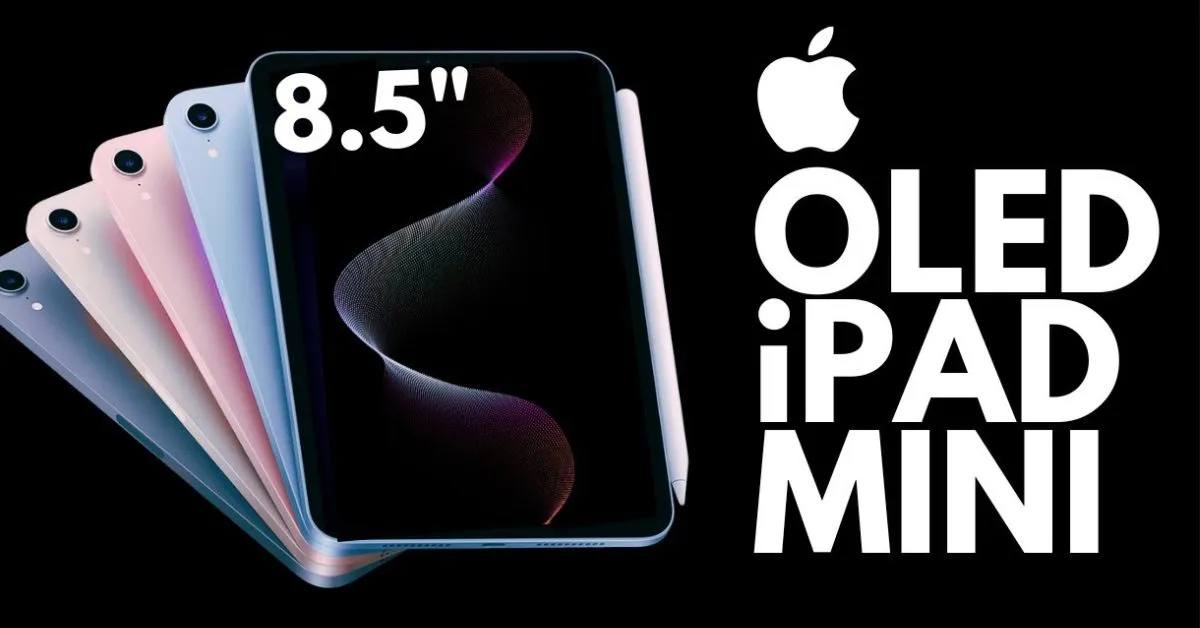
Compact tablets have always attracted users who prefer portability without sacrificing performance. Display technology has become the main factor that determines tablet purchases for users who watch videos create content and work in different locations during the last three years. The display innovation process currently progresses at a fast pace which leads industry experts to anticipate a significant improvement in compact tablet devices.
The iPad Mini OLED Launch Expected in Q3 2026 has generated strong interest because it represents a shift toward premium display technology in smaller devices. This article explores what such a launch could mean, how OLED technology may change user experience, and why this development matters for the future of compact tablets.
Why OLED Technology Is Gaining Attention in Tablets
OLED screens provide users with deeper contrast, vibrant colour display and better energy efficiency than conventional display screens. Users who want both high visual quality and extended battery performance will find OLED to be their optimal display solution.
In compact tablets, display quality matters even more because users often hold the device closer to their eyes. An OLED display can enhance reading comfort, video playback, and creative work without increasing screen size.
This shift indicates a stronger emphasis on experience than upgrades of device-origins.
Evolution of the iPad Mini Category
The iPad Mini has traditionally appealed to users who want a balance between portability and productivity. Over time, it has evolved from a simple consumption device into a capable tool for multitasking, note-taking, and light creative work.
As users demand more from their experience, display improvements become essential for satisfying their needs. The new compact design, together with its upgraded display technology, will transform how people interact with smaller tablets throughout their daily activities.
The evolution has indicated an inclination towards future mini tablets,s which are not all that subtle to casual browsing and professional use.
What Makes OLED Displays Different?
OLED technology operates differently from standard panels because its pixels produce their own light. This technology enables the display of true black colours, which leads to better contrast ratios and more precise colour reproduction.
For users, this means:
- Better visibility in low-light environments
- More immersive video and image quality
- Reduced eye strain during extended usage
These benefits are particularly important in compact tablets where screen clarity directly impacts usability.
Expected Display Improvements in the New Mini Tablet
Analysts expect actual improvements in three areas, which include brightness and colour depth and energy efficiency. The use of OLED panels allows for thinner product designs, which result in devices that weigh less and provide better user comfort.
This improvement is not just about visuals. It affects battery performance, thermal efficiency, and overall user satisfaction.
Such enhancements could position the device as a premium compact tablet rather than just a smaller alternative.
Display Technology Comparison
| Feature | Traditional Display | OLED Display |
| Contrast Ratio | Moderate | Very High |
| Power Efficiency | Average | Improved |
| Thickness | Thicker panel | Thinner design |
| Visual Quality | Standard | Enhanced clarity |
Intelligent Features Expected in the 2026 Model
Modern tablets are no longer just screens; they are smart tools. Intelligent features such as adaptive brightness, usage-based power optimization, and smarter multitasking tools are becoming standard expectations.
A next-generation compact tablet may include:
- Smarter performance balancing
- Context-aware display adjustments
- Improved interaction with stylus and accessories
These enhancements aim to make the device feel responsive and intuitive rather than just powerful.
Performance and Hardware Expectations
While display upgrades attract attention, performance improvements are equally important. Users expect smooth multitasking, responsive applications, and consistent performance across use cases.
Better internal efficiency combined with OLED technology could improve thermal management and extend battery life. This balance is critical in compact devices where space is limited.
Performance stability matters more than raw power for most users.
Tablet Features That Matter Most to Users
User expectations in 2026 focus on experience rather than specifications alone. The most valued tablet features include reliability, screen comfort, portability, and long battery life.
Other features users care about:
- Comfortable one-hand use
- Clear visibility in different lighting conditions
- Consistent performance during daily tasks
These priorities align well with what OLED technology can offer.
Design and Portability Considerations
Compact tablets succeed when design complements usability. A thinner panel allows for better weight distribution and improved ergonomics.
Design refinements expected in 2026 include:
- Reduced bezel thickness
- Improved screen-to-body ratio
- Lightweight yet durable construction
Such refinements enhance the overall user experience without compromising portability.
Compact Tablet Use-Case Expectations
| Use Case | User Expectation | OLED Advantage |
| Media Consumption | Rich visuals | High contrast |
| Reading | Eye comfort | True blacks |
| Creative Work | Color accuracy | Better precision |
| Travel Use | Battery efficiency | Lower power draw |
Market Positioning and User Demand
The demand for compact premium tablets is growing among students, professionals, and casual users alike. Many users want a device that feels premium but remains easy to carry.
This demand suggests that a next-gen Apple tablet in the mini category could attract a broader audience than before, especially those who value display quality and portability equally.
The compact tablet market is no longer niche; it is evolving into a premium segment.
How This Launch Could Impact the Tablet Market
A move toward OLED in compact tablets could influence industry standards. Other manufacturers may follow similar paths, accelerating display innovation across different device sizes.
Such a launch would also signal that premium technology is no longer limited to larger devices.
This shift could redefine expectations for compact tablets globally.
Why Q3 2026 Timing Makes Sense
Launching in Q3 aligns well with annual hardware refresh cycles and consumer buying behaviour. It also allows enough time for OLED production optimization and software refinement.
From a market perspective, this timing positions the device well for year-end demand without rushing development.
Careful timing often reflects confidence in product readiness.
User Benefits Beyond Specifications
The real value of this expected launch lies in how it improves daily usage. Users may notice:
- More immersive entertainment
- Improved battery consistency
- Better usability in varied lighting conditions
These benefits directly affect satisfaction rather than just technical benchmarks.
Conclusion
The iPad Mini OLED Launch Expected in Q3 2026 represents more than a display upgrade. It reflects a broader shift toward experience-focused innovation in compact tablets. By combining portability with advanced display technology, this development could redefine how users perceive and use smaller tablets.
If expectations are met, this launch may set a new benchmark for compact devices, proving that size does not limit performance or visual quality.
FAQs
1. What does OLED mean in compact tablets?
It refers to display technology that offers better contrast, deeper blacks, and improved visual clarity.
2. Why is the iPad Mini popular among users?
The iPad Mini is favoured for its balance of portability, performance, and ease of use.
3. How does an oled display improve battery life?
OLED panels use power more efficiently by lighting only the required pixels.
4. What intelligent features are expected in future tablets?
Future tablets may include adaptive performance, smarter display controls, and better multitasking support.
5. Which tablet features matter most for daily use?
Screen comfort, battery efficiency, and portability are key tablet features users value.
6. Will the iPad Mini OLED be suitable for professional use?
Yes, improved visuals and performance could make the iPad Mini OLED useful for light professional tasks.
***Disclaimer***
This blog post contains unique insights and personal opinions. As such, it should not be interpreted as the official stance of any companies, manufacturers, or other entities we mention or with whom we are affiliated. While we strive for accuracy, information is subject to change. Always verify details independently before making decisions based on our content.
Comments reflect the opinions of their respective authors and not those of our team. We are not liable for any consequences resulting from the use of the information provided. Please seek professional advice where necessary.
Note: All product names, logos, and brands mentioned are the property of their respective owners. Any company, product, or service names used in our articles are for identification and educational purposes only. The use of these names, logos, and brands does not imply endorsement or affiliation.